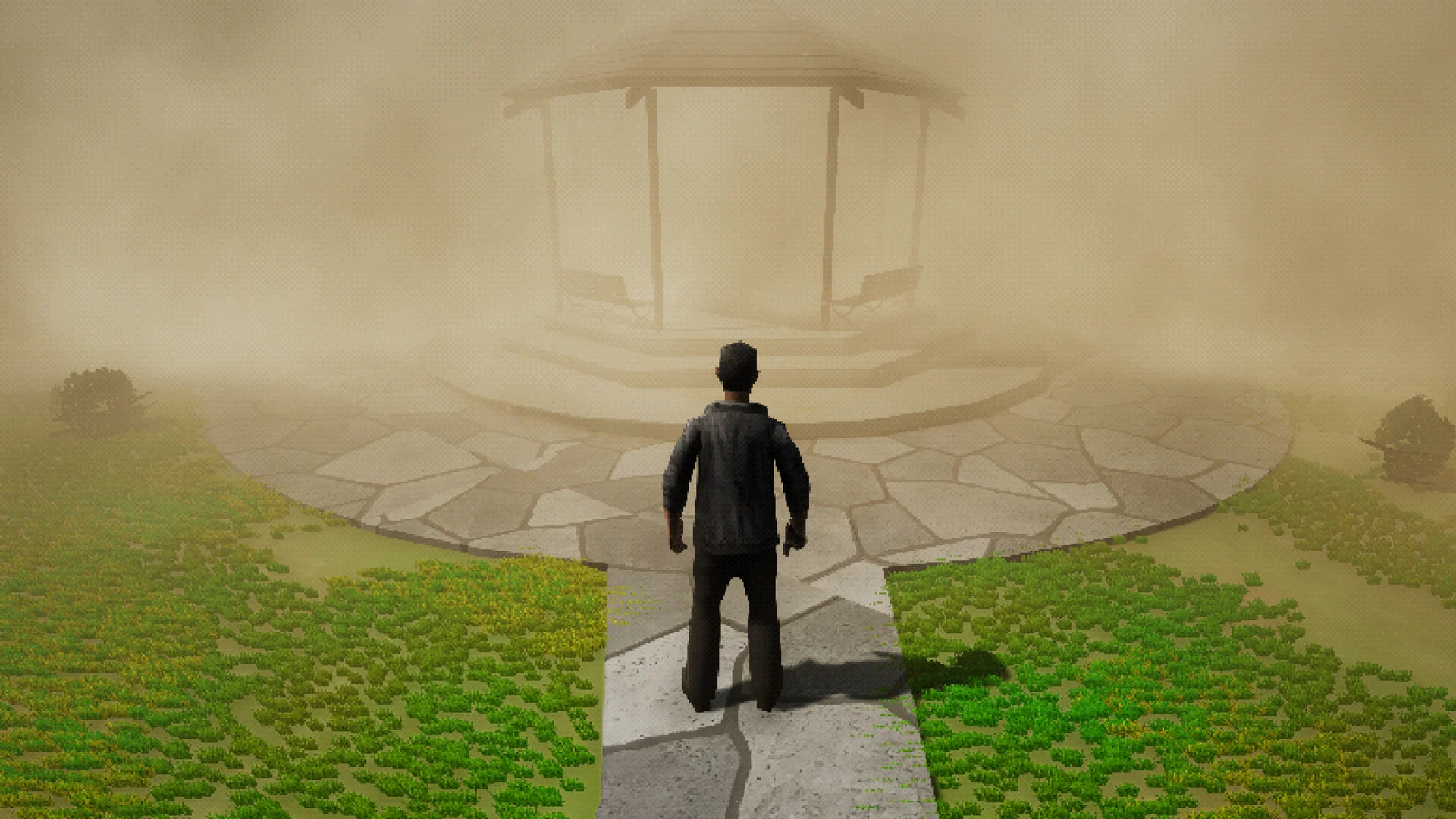
- Sarab boss fight guide: A preparation framework built on the game's confirmed exploration, combat, and stealth systems.
- Status note: AL-SARAB is planned for release on April 1, 2027 on Steam, so boss-specific details will be added post-launch.
- Core principle: Sarab rewards observation and patience over fast reflexes in dangerous encounters.
- Best habit: Save manually before every major encounter and story decision.
- Resource rule: Never burn limited consumables early — many encounters can be avoided.
Understanding Sarab's Combat and Encounter Design
Sarab (AL-SARAB), the PSX-style psychological horror game from Zayed Gaming set in a distorted Gulf neighborhood, blends tense combat with environmental puzzles and environmental storytelling. Rather than action-game boss rushes, its encounters are built around atmosphere, limited resources, and the threat of disturbing encounters in close quarters. That means a traditional boss fight guide for Sarab starts with understanding how the game wants you to behave under pressure: slowly, quietly, and with your eyes open.
Based on what the game's systems reward, encounters fall into a few broad categories:
| Encounter Type | What It Demands | Risk Level |
|---|---|---|
| Stealth sequences | Slow movement, patrol observation, no sprinting | High if detected |
| Direct confrontations | Timing windows, resource spending, spacing | Medium-High |
| Puzzle-gated threats | Solving environmental mechanics under pressure | Medium |
| Scripted story encounters | Correct dialogue and prior exploration | Low-Medium |
Sarab's horror design means detection is usually the failure state, not health loss. Treating every dangerous encounter like a stealth puzzle first — and a fight second — will carry you through most of the game.
Because the game supports hidden paths, the environment itself is a combat tool: alternate routes, hiding spots, and locked doors that open later all change how a threatening encounter plays out. Exploration before engagement is the single most reliable boss strategy in Sarab.
Boss Fight Preparation: Before the Encounter
Preparation determines most outcomes in Sarab. Follow this checklist-style workflow before entering any area where a major encounter seems likely.
| Preparation Step | Why It Matters | Priority |
|---|---|---|
| Manual save | Retry difficult sequences without repeating long stretches | ★★★★★ |
| Full area sweep | Find hiding spots, alt routes, and loose items | ★★★★★ |
| Read all notes | Documents hint at dangers and puzzle answers ahead | ★★★★ |
| Conserve consumables | Batteries, keys, and health items are limited | ★★★★ |
| Check your journal | The journal hints at where to investigate next | ★★★ |
Save and Mark Your Position
Create a manual save before entering any new area or story beat. If a boss encounter goes wrong, you reload in seconds instead of replaying a chapter.
Scout Before You Commit
Move through the area quietly first. Identify patrol patterns, doors, alcoves, and any highlighted objects — the game signals interactivity deliberately.
Stock and Sort Resources
Inventory consumables are scarce. Decide in advance what you are willing to spend on a fight and what you will hold back for puzzles and emergencies.
Absorb Environmental Clues
Notes, photographs, and room changes foreshadow upcoming threats. The mirage motif — what is real versus illusion — often telegraphs how an encounter will behave.
Players who sprint through unfamiliar corridors trigger detection constantly. Crouch-walking drastically reduces detection range, and stopping to listen for footsteps, doors, or breathing before crossing open space prevents most failed stealth sequences.
Combat Tactics During Encounters
When avoidance fails and a confrontation begins, these tactical principles keep you alive in Sarab's tight, PSX-era-style spaces.
Listen Before You Move
- Audio cues are critical
- Stop and identify footsteps and breathing
- Crouch to shrink your detection profile
Use the Environment
- Hidden paths double as escapes
- Break line of sight around corners and pillars
- Many locked doors open later — remember them
Spend Resources Deliberately
- Limited consumables, hard choices
- Ask: can this encounter be avoided entirely?
- Save offensive resources for unavoidable fights
| Tactic | Best Used When | Trade-Off |
|---|---|---|
| Full stealth bypass | Patrols are predictable | Slower, may miss loot |
| Timed aggression | An enemy blocks a required path | Consumes resources |
| Retreat and re-route | Hidden paths are nearby | May reset encounter progress |
| Puzzle-first approach | The threat is puzzle-gated | Requires careful reading of clues |
Most dangerous encounters in Sarab can be avoided rather than outlasted. Explore alternative routes and hiding spots first — the game's hidden paths exist precisely to reward players who disengage and think.
How Choices and Exploration Shape Final Encounters
Sarab is story-driven, and its climactic encounters are shaped by everything you did beforehand. Dialogue choices, optional conversations with supporting characters, and hidden lore items all influence which final sequences become available and how the ending resolves.
| Playstyle | Late-Game Effect | Typical Outcome |
|---|---|---|
| Compassionate choices, full exploration | Unlocks deeper truths before the finale | Good / Secret ending routes |
| Cold or dismissive choices | Mysteries remain obscured | Bad ending route |
| Balanced, story-only run | Standard revelations | Standard ending |
| Thorough ruin and underground exploration | All major secrets uncovered | Secret ending route |
Two structural details matter for final encounters:
- Dialogue riddles matter: Correctly answering riddles like the village elder's ("something that travels but never moves") earns extra clues that feed into the secret ending.
- Symbol memory pays off: Glyphs and symbols recorded throughout the story reappear in the final door sequence beneath the sands. Keep notes as you play.
Check your journal whenever you feel stuck. It records key information and often points directly at which area or character to investigate next — the answer is usually in the environment rather than in combat.
Boss Fight Readiness Checklist
Run through this list before any encounter you suspect is a major one:
Pre-Boss Checklist:
- Create a manual save at a safe position
- Sweep the area twice for hidden items and notes
- Confirm hiding spots and alternate exit routes
- Read every collected note and journal entry
- Reserve key consumables for the encounter ahead
FAQ
Q: Is this Sarab boss fight guide final?
Not yet. AL-SARAB is planned for release on April 1, 2027 on Steam. This Sarab boss fight guide currently covers preparation and tactics based on the game's confirmed combat, stealth, and exploration systems. Boss-specific walkthroughs will be added after launch.
Q: Can you avoid fights in Sarab instead of winning them?
In many cases, yes. The game rewards observation over reflexes, and many dangerous encounters can be avoided entirely through alternative routes, hiding spots, and careful movement rather than outlasted in direct combat.
Q: What should I do if I keep failing a stealth sequence?
Reload your manual save, stop moving, and listen for audio cues to map patrol patterns. Crouch-walk instead of sprinting, and check for hidden paths or locked doors that may offer a safer route.
Q: Do combat encounters affect the ending?
Indirectly. Endings in Sarab are shaped by dialogue choices, exploration depth, and discovered secrets. Thorough players who gather hidden lore and help key characters unlock the better ending routes, including the secret ending.