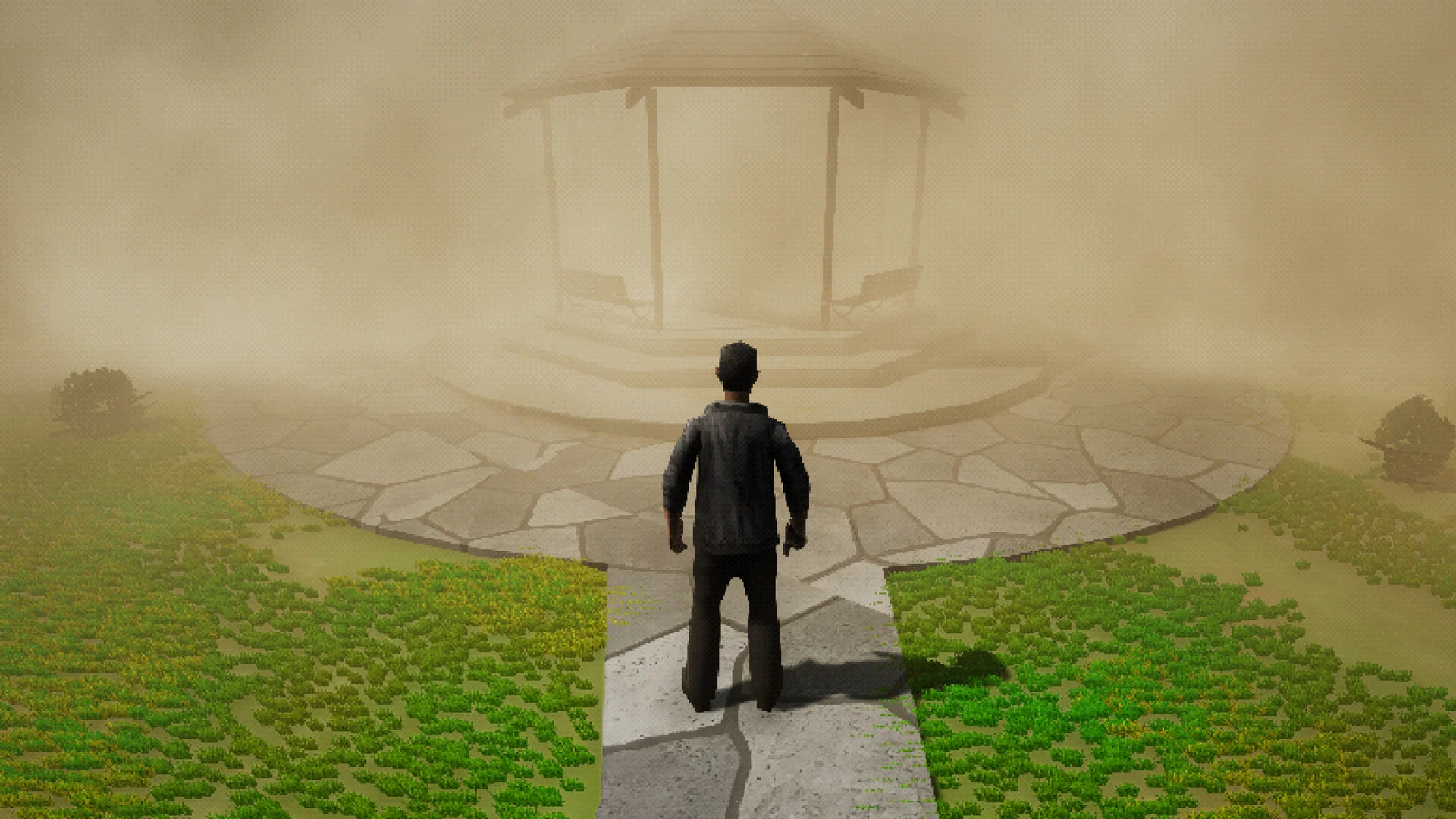
- Sarab environmental puzzles rely on observation: symbols, light, and weights hold every answer
- Clue location matters: puzzle answers are usually carved or written elsewhere in the same area
- Track every glyph: symbols you record early reappear in the final door sequence
- Read all notes: documents contain puzzle hints and warnings about upcoming dangers
- Hidden paths exist: locked doors often open later, so re-sweep each area after story events
Understanding Sarab Environmental Puzzles
Sarab (AL-SARAB) is a PSX-style psychological horror game set in a distorted Gulf-neighborhood environment, and environmental puzzles are one of its confirmed core systems alongside exploration, combat, and hidden paths. These puzzles are not isolated mini-games — they are woven into the environment itself, using inscriptions, light and shadow, weighted mechanisms, and dialogue riddles to gate your progress through the story.
The game's environmental storytelling works hand in hand with its puzzles. Notes, photographs, and changes in rooms between visits are not just atmosphere; they contain the hints you need to solve the mechanisms ahead. Players who skim past reading material are the ones who most often get stuck.
| Puzzle Type | Mechanic | Where It Appears | Difficulty |
|---|---|---|---|
| Symbol Wall | Glyph input order | Ruins entrance | ★★☆☆☆ |
| Light and Mirror | Redirecting sunlight | Ruins interior | ★★★☆☆ |
| Weighted Plates | Selective stone placement | Underground passage | ★★★☆☆ |
| Dialogue Riddle | Correct verbal answer | Village elder | ★★☆☆☆ |
| Final Door Sequence | Recall of all glyphs | Beneath the sands | ★★★★☆ |
Nearly every puzzle answer in Sarab exists somewhere in the same area — weathered inscriptions, pillar carvings, or documents. Before brute-forcing an input, search the surrounding environment for the solution first.
Puzzle Locations and Solutions
Below is the breakdown of each major environmental puzzle, organized by story location. Hints come first so you can nudge yourself forward; full solutions follow for players who are fully stuck.
| Puzzle | Location | Hint | Key Insight |
|---|---|---|---|
| Symbol Wall | Desert ruins entrance | Check the entrance pillars | Glyph order runs left pillar to right pillar |
| Light and Mirror | Ruins interior | Sunlight reaches only one wall | Three mirrors redirect the beam to the sigil |
| Weighted Plates | Underground passage | Not every plate needs a stone | Only plates marked with two dots are safe |
| Dialogue Riddle | Village elder | Something that travels but never moves | The answer is "the road" |
| Final Door | Beneath the sands | Everything you recorded matters | Four glyphs in first-encountered order |
Symbol Wall Puzzle
- Examine both entrance pillars
- Note the highlighted glyphs
- Input glyphs left-to-right on the wall panel
- Opens the sealed gate
Light and Mirror Puzzle
- Tilt mirror one toward the corridor
- Aim mirror two at the central pillar
- Angle mirror three upward at the sigil
- Unlocks the inner chamber
Weighted Plate Puzzle
- Four plates total, only two are safe
- Place stones only on two-dot plates
- Avoid trap plates entirely
- Opens the hidden door
The elder's dialogue riddle is easy to brush off, but answering it correctly ("the road," or "sand" in some translations) grants an extra clue that contributes toward unlocking the secret ending. Save before the conversation if you want to test other answers.
Step-by-Step: The Final Door Sequence
The final door beneath the sands is the payoff puzzle of the entire game, and it tests whether you were paying attention throughout. Follow this method to open it cleanly.
Confirm Your Glyph Record
Before descending, verify you recorded glyphs from all four sources: the ruins entrance pillars, the mirror chamber sigil area, the underground passage, and the elder's chamber.
Recall First-Encounter Order
The door does not use alphabetical or positional order — it uses the order you first encountered each glyph across the story. Recheck your journal notes if the sequence is fuzzy.
Enter the Four Glyphs
Input the glyphs in story order: ruins entrance, mirror chamber, underground passage, elder's chamber. A wrong entry does not reset progress, but verify each glyph before confirming.
Proceed to the Final Area
Once the path opens, make a manual save. Your accumulated choices and discovered secrets determine which ending sequence becomes available next.
Players who check the journal whenever stuck almost always find the next hint already recorded. The journal frequently points to which area or character to investigate, which is exactly the information the final door puzzle assumes you have.
Solving Habits and Common Mistakes
Environmental puzzles in Sarab reward patience and observation over fast reflexes. These habits separate players who solve puzzles quickly from those who wander in circles.
| Habit | Benefit | Common Mistake It Prevents |
|---|---|---|
| Search every room twice | Items appear after story events | Missing collectibles and new notes |
| Read all documents | Notes contain codes and hints | Getting stuck on puzzle inputs |
| Record symbols immediately | Reliable glyph recall for the finale | Guessing the final door order |
| Manual save before puzzles | Fast retry on trap failures | Repeating long stealth stretches |
| Revisit locked doors | Many open later in the story | Assuming areas are closed permanently |
Before Leaving Any Puzzle Area:
- Examined both sides of every pillar and wall inscription
- Collected and read all notes and photographs in the area
- Recorded any glyphs or symbols in the journal
- Rechecked drawers, shelves, and previously locked doors
- Made a manual save before the next story beat
In the weighted plate room, placing stones on unmarked plates triggers traps. Count the symbols above each plate first — the marking system is the puzzle, not trial and error.
How Puzzles Connect to Endings and Achievements
Sarab's environmental puzzles are not optional garnish — they feed directly into the ending system and several missable achievements. The dialogue riddle clue supports the secret ending, and thorough puzzle-area exploration contributes to the Collector and Truth Seeker achievements.
| Element | Puzzle Connection | Outcome |
|---|---|---|
| Standard ending | Main-story puzzles only | Default conclusion |
| Good ending | Side conversations plus hidden lore items | Compassionate resolution |
| Secret ending | All major secrets in ruins and underground, aligned final choices | True ending |
| Truth Seeker achievement | Reaching the true ending | Missable without optional interactions |
| Collector achievement | Thorough puzzle-area sweeps | Most time-consuming achievement |
If you reach the normal ending but wanted the true ending, reload an earlier save instead of restarting completely. Nearly every puzzle clue and optional interaction can be picked up from a mid-game save.
FAQ
Q: What are Sarab environmental puzzles based on?
Sarab environmental puzzles are built around observation: glyph-matching on symbol walls, light-and-mirror redirection, weighted pressure plates, dialogue riddles, and a final door sequence that recalls every symbol you recorded across the story.
Q: What is the answer to the elder's riddle in Sarab?
The elder's riddle describes something that travels but never moves. The correct answer is 'the road' (or 'sand' in some translations). Answering correctly grants an extra clue that helps unlock the secret ending.
Q: Which plates should I place stones on in the underground passage?
Only the plates marked with two dots. Two of the four plates carry this marking; placing stones on unmarked plates triggers traps. The symbols above the plates are the puzzle's instruction.
Q: Can I miss puzzle content permanently in Sarab?
Some puzzle-linked content is missable, such as the elder's riddle clue and collectibles that only appear after story events. Reload an earlier save to recover missed interactions rather than starting a fresh playthrough.