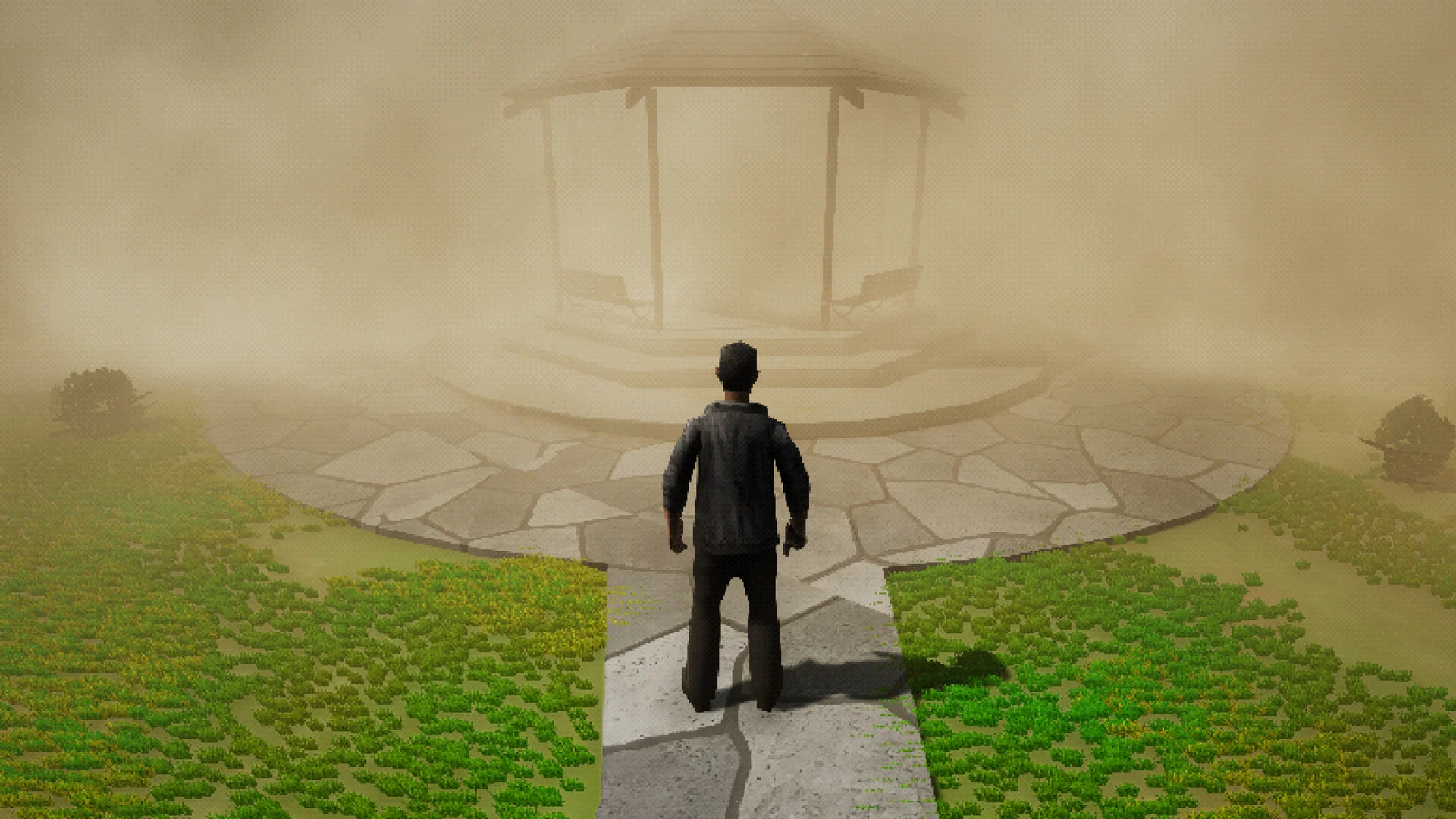
- Sarab lore centers on a distorted Gulf city where reality and illusion blur.
- The title means "mirage" — the core motif behind every twist.
- Environmental storytelling does the heavy lifting: notes, photos, room changes.
- Supporting characters each hold a fragment of the truth.
- Thorough exploration is required to understand the secret ending.
Sarab Lore Overview: What Is Sarab?
Sarab is a psychological horror game built on mystery, memory, and the slow reveal of what lies beneath a quiet, decaying Gulf neighborhood. The word "Sarab" translates to mirage, and that single concept drives the entire narrative: seeing things that aren't there — or failing to see things that are.
The setting is an isolated Middle-Eastern-inspired environment where everyday normalcy gradually gives way to unease. The game plants clues about the true nature of the location long before the story confirms them, using quiet, deliberate pacing rather than jump scares to build dread.
| Element | Description | Lore Significance |
|---|---|---|
| Title meaning | "Sarab" = mirage | Central metaphor for illusion vs. reality |
| Setting | Isolated Gulf neighborhood | Normalcy masking something wrong underneath |
| Tone | PSX-style, quiet, deliberate | Retro dread, environmental focus |
| Storytelling | Environmental, fragmentary | Notes, photos, room changes carry the plot |
Treat every "normal" moment in Sarab as a potential clue. The game recontextualizes early scenes constantly — what looks like set dressing in Chapter 1 often becomes essential lore later.
The Main Story Timeline
The narrative begins with the protagonist arriving in the area and settling into what seems like a routine situation. From there, strange occurrences accumulate chapter by chapter — noises, missing objects, unsettling encounters — until the protagonist is forced to confront the truth behind the "Sarab" phenomenon.
Arrival
The protagonist enters the Gulf setting expecting routine. Early dialogue plants names, places, and subtle warnings that only matter in hindsight.
Accumulating Wrongness
Small anomalies build: displaced objects, sounds with no source, characters who seem to know more than they say.
The Descent
Exploring ruins and underground passages reveals the deeper history of the location — and how much of the surface world may be illusion.
The Truth of Sarab
The final chapters reveal which parts of the experience were real and which were mirage. Your accumulated choices determine which ending you receive.
| Phase | Key Events | What to Watch For |
|---|---|---|
| Arrival | Introduction, first characters | Names, warnings in dialogue |
| Accumulation | Noises, missing objects | Room changes between visits |
| Descent | Ruins, underground passages | Recurring symbols and glyphs |
| Revelation | Final confrontation | Callbacks to early scenes |
The final chapters recontextualize the entire journey. If you want the full impact, complete your exploration before reading ending breakdowns.
Key Characters and Their Role in the Truth
The cast is deliberately small, keeping focus on the protagonist and a handful of figures. Each supporting character carries a piece of the truth — some provide warnings the player should heed, while others actively obscure what happened.
The Protagonist
- Arrives expecting routine
- Perception is unreliable
- Their past ties into the ending
The Warners
- Offer genuine hints
- Lines gain meaning on replay
- Often dismissed on a first run
The Obscurers
- Actively hide the truth
- Redirect the protagonist
- Key to unlocking darker endings
Replaying early scenes with endgame knowledge recontextualizes many character lines. Dialogue that seemed like flavor text often contains direct references to the final revelations.
Hidden Details, Symbolism, and the Mirage Motif
Environmental storytelling does heavy lifting in Sarab. Notes, photographs, and changes in rooms between visits all hint at the deeper story.
The mirage motif recurs in both visuals and dialogue. Picking up on it early makes the ending land much harder:
- Visual misdirection: things seen at a distance that aren't there up close
- Auditory illusions: sounds with sources that don't exist
- Dialogue patterns: characters describing events inconsistently
- Room states: objects moving or vanishing between visits
- Recurring glyphs: symbols from the ruins echo in later areas
| Detail Type | Where to Look | Lore Payoff |
|---|---|---|
| Notes and documents | Drawers, tables, shelves | Puzzle hints, backstory |
| Photographs | Walls, hidden rooms | Character connections |
| Room changes | Revisit areas after events | Tracks what's real |
| Symbols and glyphs | Ruins, underground | Ties locations together |
| Optional dialogue | Village characters | Unlocks secret ending clues |
Search every room twice. Many notes and collectibles only appear after story events change an area — a second sweep before leaving is the single best lore-finding habit in Sarab.
Endings and What They Reveal
Sarab features multiple endings shaped by your choices, discoveries, and how deeply you explore. Optional interactions and collectibles flesh out the final revelations, and players who explore thoroughly understand the ending's implications far better than those who rush the main path.
| Ending | Trigger Route | Lore Meaning |
|---|---|---|
| Standard | Main story, balanced choices | Surface-level resolution of the mystery |
| Good | Compassionate choices, help key characters | A fuller, warmer reading of the truth |
| Bad | Cold choices, skip exploration | Darkest interpretation of the mirage |
| Secret | All major secrets + aligned final choices | Most complete resolution of Sarab's story |
Lore Completion Checklist:
- Complete all optional village conversations
- Collect hidden lore items in the ruins
- Record every recurring glyph and symbol
- Answer the elder's riddle correctly
- Revisit each area after major story events
If you reach the normal ending and want the secret one, reload an earlier save rather than restarting — required optional interactions happen well before the final chapter.
FAQ
Q: What does 'Sarab' mean in the game's lore?
Sarab translates to 'mirage.' It is the central motif of the story: the protagonist experiences events that may be illusion, while real things go unseen. The final chapters clarify which parts of the journey were genuine.
Q: Do I need to find all collectibles to understand the Sarab lore?
No, but hidden lore items and optional dialogue significantly deepen the final revelations. Players who explore thoroughly understand the ending's implications far better than those who follow only the main path.
Q: Which ending gives the most complete lore explanation?
The secret ending. It requires discovering all major secrets in the ruins and underground areas and making aligned final choices, and it delivers the most complete resolution of Sarab's mystery.
Q: How does environmental storytelling work in Sarab?
Notes, photographs, and changes in rooms between visits carry the plot. Nothing is purely decorative — documents contain puzzle hints and warnings, and rooms that change state help you track what is real versus mirage.