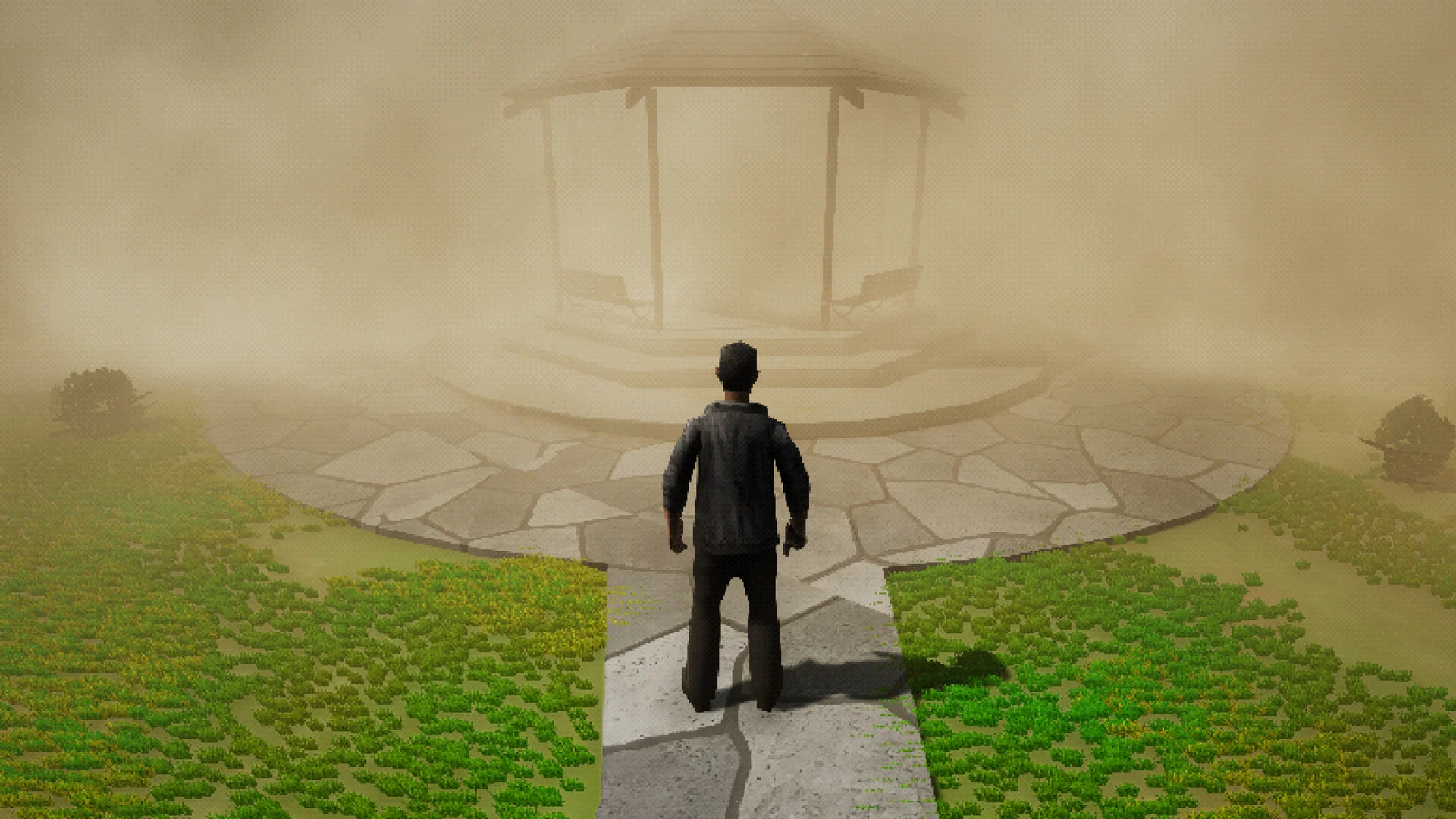
- Sarab plot summary: An atmospheric horror story built on mystery, memory, and mirages in a quiet Middle-Eastern-inspired setting
- Core twist: The title means "mirage" — the ending reveals which events were real and which were illusion
- Chapter arc: Arrival, village, ancient ruins, underground passages, final revelation
- Multiple endings: Choices and exploration depth determine which of four endings you receive
- Reading tip: Notes and environmental details hold the keys to understanding the truth
Sarab Plot Summary: Setting and Premise
Sarab tells an atmospheric horror story set in an isolated environment where everyday normalcy gradually gives way to unease. The game uses its Middle-Eastern-inspired tone and quiet, deliberate pacing to build dread, planting clues about the true nature of the location long before the story confirms them. The word "Sarab" itself means mirage, and that motif drives the entire narrative: seeing things that are not there, or failing to see things that are.
The story begins with the protagonist arriving in the area and settling into what seems like a routine situation. Strange occurrences accumulate chapter by chapter — noises, missing objects, unsettling encounters — until the protagonist is forced to confront the truth behind the strange events.
Keep the meaning of "Sarab" (mirage) in mind from your first minute of play. The motif recurs in both visuals and dialogue, and picking up on it early makes the ending land much harder.
| Story Element | Details | | Story type | Atmospheric mystery-horror with psychological themes | | Setting | Isolated region with Middle-Eastern-inspired tone | | Core motif | Mirage — illusion versus reality | | Pacing | Slow-burn, deliberate buildup | | Storytelling style | Environmental narrative, notes, and dialogue |
Chapter-by-Chapter Story Timeline
The narrative unfolds across five major beats. Each chapter deepens the mystery while quietly collecting the pieces the finale will need.
Chapter 1 — Arrival in Sarab
The protagonist arrives in the region and settles into a seemingly routine situation. Early conversations introduce names and places that set up the central mystery, and the first strange occurrences begin almost imperceptibly.
Chapter 2 — The Desert Village
In the village, conversations with residents reveal the location's history and point toward the ruins. Small tasks and optional dialogue carry warnings and fragments of the truth — some characters try to help, others actively obscure what happened.
Chapter 3 — The Ancient Ruins
Environmental puzzles guard the ruins: symbol walls, light and mirror mechanisms, and sealed doors. The symbols encountered here recur later and matter to the final door sequence.
Chapter 4 — Secrets Beneath the Sands
Descending into underground passages, the story pivots toward confrontation. Key dialogue decisions made here determine which final sequences become available.
Final Chapter — The Truth of Sarab
The protagonist confronts the final revelations. The ending recontextualizes the entire journey, clarifying which parts of the experience were real and which were illusion.
Dialogue choices and certain actions influence the story's direction. Save before major decisions so you can revisit them and experience different outcomes without replaying the whole game.
Key Characters and Relationships
The cast is deliberately small, keeping focus on the protagonist and the handful of figures they interact with. Supporting characters each carry a piece of the truth.
The Protagonist
- Arrives seeking something ordinary
- Experiences the escalating strange events
- Final choices define which ending unfolds
The Village Elder
- Poses a riddle central to the mystery
- Correct answers yield extra clues
- Holds knowledge tied to the secret ending
Supporting Villagers
- Some provide warnings worth heeding
- Others obscure what really happened
- Early lines gain new meaning after the finale
Replaying early scenes with endgame knowledge recontextualizes many character lines — what sounded like small talk often turns out to be a warning or a confession.
| Character Role | Function in the Plot | Replay Value | | The protagonist | Lens for the mystery; makes defining choices | High — perception shifts after the ending | | The elder | Gatekeeper of riddles and hidden clues | High — riddle answer affects the secret ending | | Helpful villagers | Provide warnings and lore fragments | Medium — easy to miss if you skip dialogue | | Obscuring figures | Mislead the protagonist and the player | High — lines read differently on a second run |
Notes, photographs, and changes in rooms between visits do heavy narrative lifting in Sarab. Skipping reading material is the most common reason players miss the story's deeper reveals.
Endings Explained
Sarab features multiple endings shaped by your choices, discoveries, and how deeply you explore the game's mysteries. This section of the plot summary breaks down each conclusion and its trigger conditions.
| Ending | How It Unlocks | Tone | | Standard Ending | Follow the main story with balanced choices and no major optional discoveries | Neutral, default resolution | | Good Ending | Make compassionate choices, help key characters, gather hidden lore before the finale | Hopeful, earned resolution | | Bad Ending | Refuse to help, skip exploration, choose dismissive dialogue later on | Dark, isolating conclusion | | Secret Ending | Discover all major secrets in ruins and underground areas, then make aligned final choices | Most complete resolution of the story |
The final chapter recontextualizes the protagonist's entire journey regardless of which ending you receive, but players who explore thoroughly will understand the ending's implications far better than those who rush the main path.
Discover the major secrets in the ruins and underground areas first — including the elder's riddle clue — then make the aligned choices in the last chapter. If you get the normal ending, reload an earlier save rather than restarting completely.
Story-Focused Playthrough Checklist
Use this checklist to experience the fullest version of Sarab's plot on your first run.
Plot Completion Goals:
- Talk to every character and complete optional conversations
- Read all notes, photographs, and documents
- Record every symbol found in the ruins
- Answer the elder's riddle correctly
- Recheck each area after story events for new details
FAQ
Q: What is the Sarab plot summary in one sentence?
Sarab follows a protagonist who arrives in an isolated region, experiences escalating strange events, and ultimately discovers which parts of their experience were real and which were mirage — with the title itself foreshadowing the illusion-versus-reality twist.
Q: How many endings does Sarab have?
Four: a Standard Ending, a Good Ending, a Bad Ending, and a hidden Secret Ending. The ending you receive depends on your dialogue choices, how much you help key characters, and how thoroughly you uncover optional secrets.
Q: Do choices actually matter in Sarab?
Yes. Dialogue choices and certain actions influence the story's direction, and key decisions in the underground chapters determine which final sequences become available. Save before major decisions to explore different outcomes.
Q: Can I understand the story without finding every secret?
You will still get a complete conclusion, but the ending's implications are far richer for thorough players. Notes, photographs, and the mirage symbolism carry much of the deeper lore.